Understanding Saving and Investing
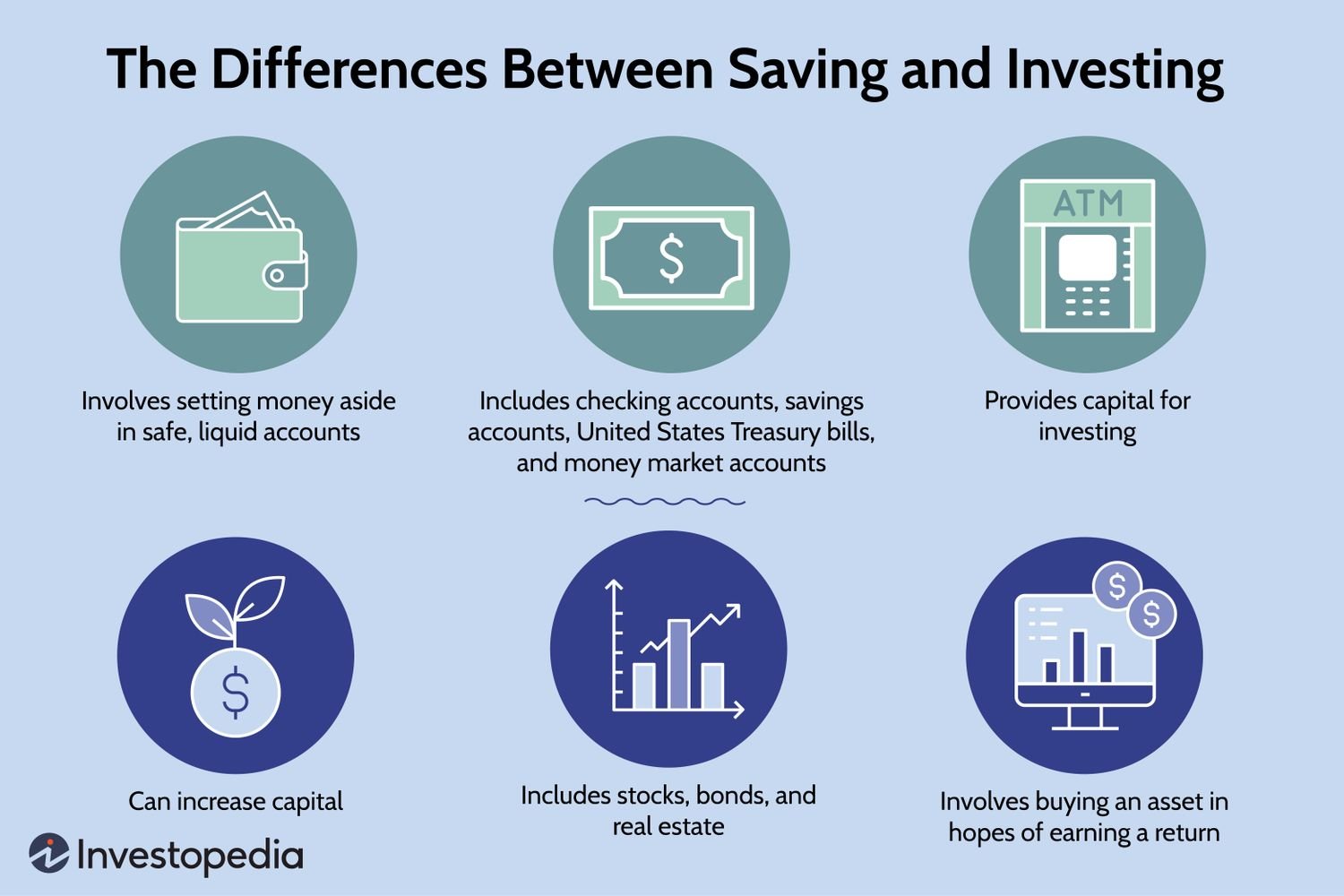
Saving and investing are two important financial activities that help people manage their money and achieve future goals. Although both involve setting money aside, they have different purposes. Saving generally focuses on protecting money and keeping it accessible, while investing aims to grow money over time by purchasing financial assets.
Understanding the difference between saving and investing can help you make better financial decisions based on your income, needs, and long-term plans.
1. What Is Saving?
Saving means keeping a portion of your income instead of spending it. People usually save money for emergencies, education, shopping, travel, or other short-term financial needs.
You can save money through a bank savings account or another suitable and secure savings option. Some accounts may provide interest or profit, depending on their terms.
Benefits of Saving Money
- Your money is generally easier to access when needed.
- It helps you prepare for unexpected expenses.
- It supports short-term financial goals.
- It reduces the need to borrow money during emergencies.
- It encourages financial discipline.
2. What Is Investing?
Investing means using money to purchase assets that may increase in value or generate income over time. Common investment options include stocks, bonds, mutual funds, and real estate.
Investments can help people build long-term wealth, but their value can increase or decrease. There is no guarantee that an investment will generate a profit.
Benefits of Investing
- Potential to grow money over the long term.
- Opportunity to earn dividends, interest, or other income.
- Possibility of building wealth for future goals.
- Access to different financial markets and asset types.
3. Key Differences Between Saving and Investing
Risk Level
Saving through a suitable bank account generally involves less risk to the deposited amount, subject to account terms and applicable deposit protection. Investing involves market risks, and you may lose part or all of your invested money.
Access to Money
Savings accounts usually provide easier access to money. Some investments may take time to sell, and their market value may be lower when you need to withdraw your money.
Potential Returns
Saving products generally offer more predictable returns, depending on their terms. Investments may offer higher potential returns, but they also involve greater uncertainty.
Financial Goals
Saving is generally suitable for emergencies and short-term needs, while investing is often considered for long-term goals such as retirement or building wealth.
4. When Should You Choose Saving?
Saving is a suitable priority when you need money for upcoming expenses or do not have an emergency fund. If you are planning to pay education fees, purchase essential items, or manage household expenses within the next few months, keeping that money accessible can be helpful.
5. When Should You Choose Investing?
Investing may be appropriate when you have stable finances, sufficient emergency savings, and money that you can leave invested for a longer period. Before investing, consider your risk tolerance, financial goals, investment costs, and time horizon.
6. Can You Save and Invest Together?
Yes. Saving and investing can work together as part of a balanced financial plan. You can keep emergency money in an accessible savings account while investing a separate amount for long-term goals.
For example, a person receiving Rs. 40,000 monthly might save Rs. 3,000 and invest Rs. 2,000, provided essential expenses and financial responsibilities are covered. The amounts should be adjusted according to individual circumstances.
7. Common Mistakes to Avoid
- Investing emergency savings in risky assets.
- Keeping all long-term savings in cash without considering inflation.
- Investing without understanding the risks.
- Expecting guaranteed profits from investments.
- Ignoring fees and withdrawal conditions.